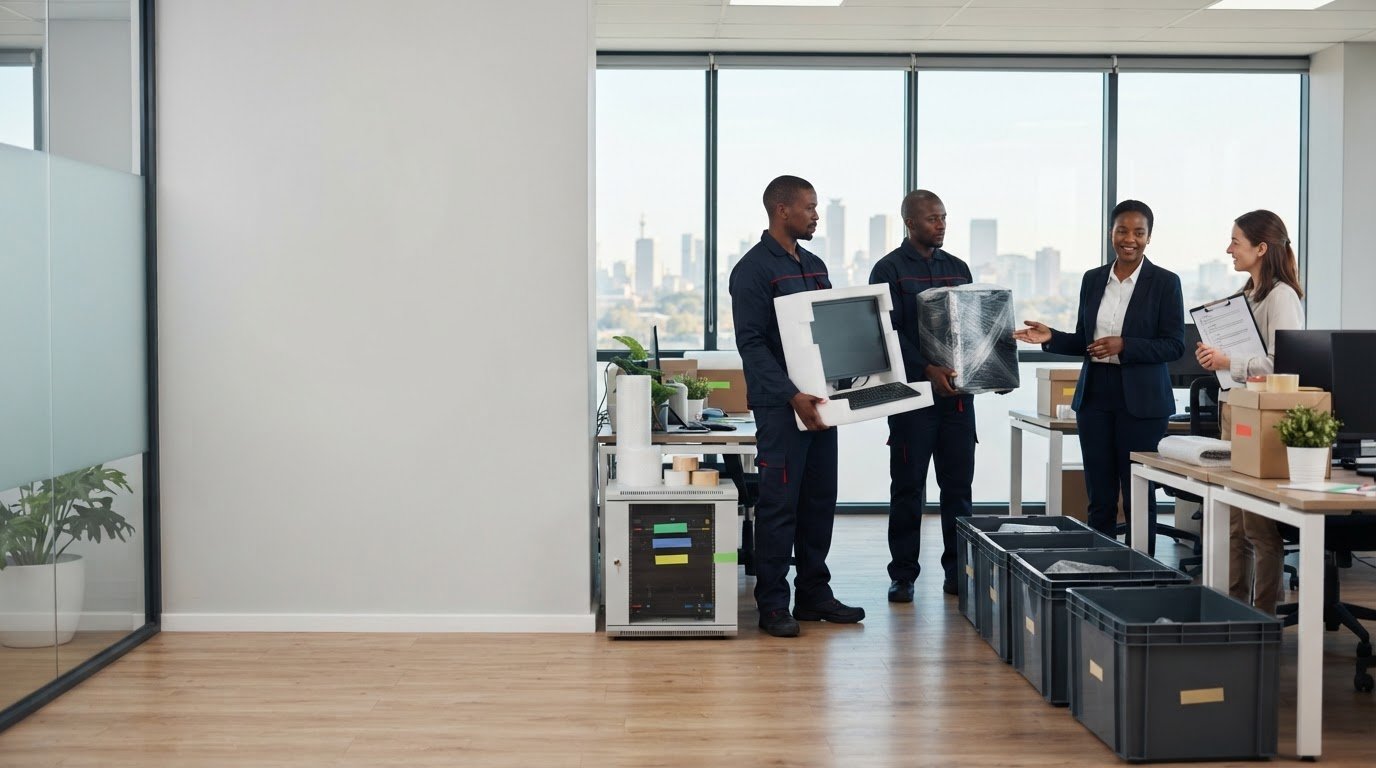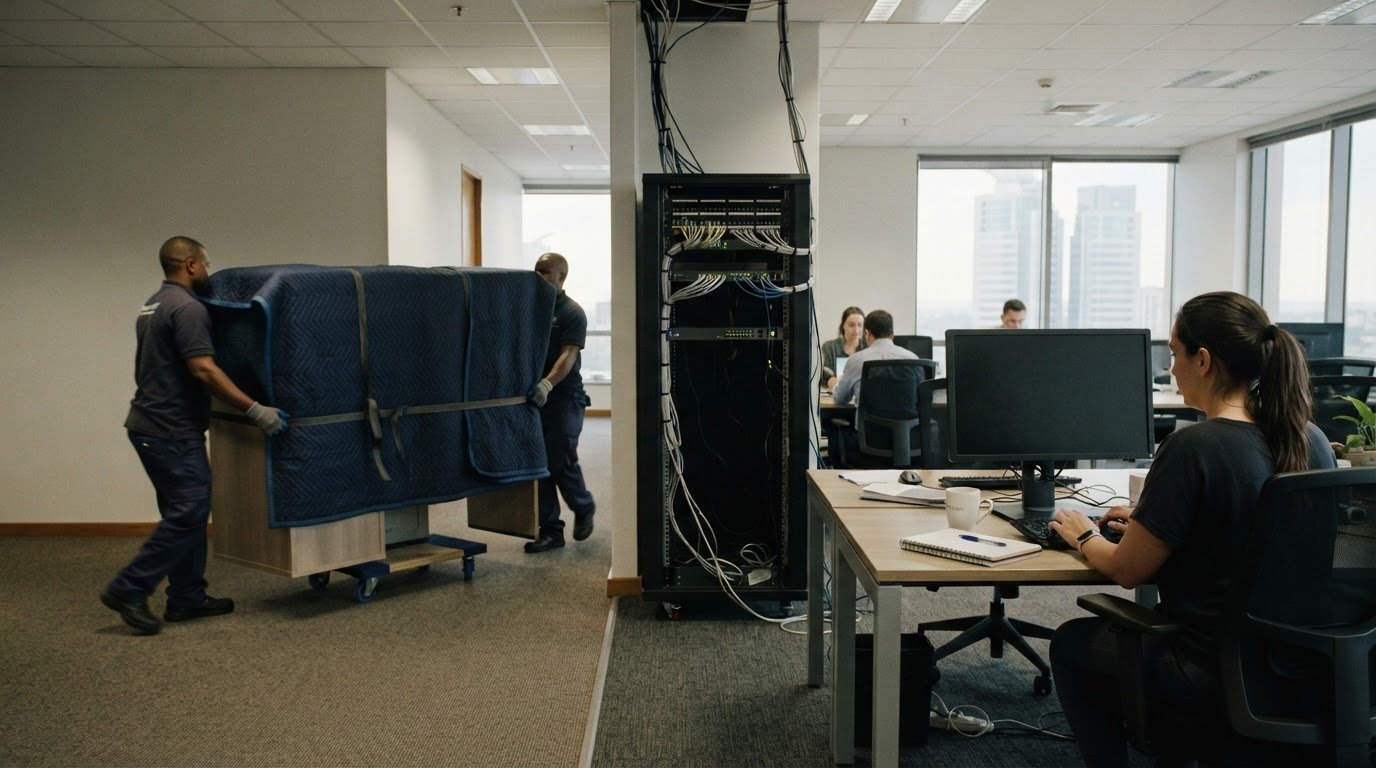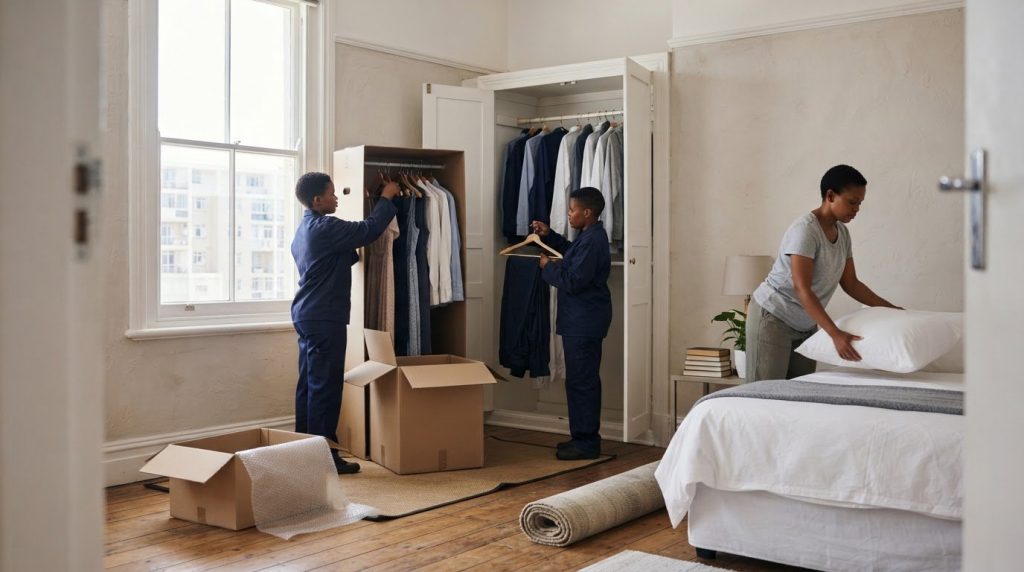
A move doesn’t feel complete just because your belongings have arrived. Professional unpacking services in South Africa can help turn a delivery into a more usable home or workplace, with tasks tailored to what needs attention first.
Before unpacking begins, decide what “ready” means for your move. A household may want everyday belongings accessible, while a business may need key areas prepared before staff return. The plan should also account for delivery timing, room access and items that need careful handling.
This guide explains what unpacking can involve, how it differs from broader move-in support, and which details help shape a practical plan. Use it to set priorities and understand how unpacking fits into the wider relocation process.
Key Takeaways
- Identify which unpacking tasks will make the biggest difference to your household or workplace, from setting up essentials to getting key areas operational.
- Understand how unpacking differs from move-in assistance and broader home setup, so you can define the support your move requires.
- Plan the unpacking schedule around the volume of belongings, access to the property and your priorities rather than relying on a fixed time estimate.
- Explore how removal, packing and storage services can fit into a coordinated move for a home or office.
Why unpacking services matter when moving homes and offices
A household may need different rooms ready at different times. On the first evening, a family might need bedding, towels, basic kitchenware and children’s school items. If these belongings are buried in mixed cartons, dinner, bedtime and the next morning become harder to manage. Unpacking creates a practical order, starting with what people need first.
Room-by-room placement also makes belongings easier to find without opening every box. Kitchen utensils can go near food preparation areas, while linen belongs in bedroom cupboards. For a move over a long distance, clear carton labels help direct each box to its intended room after delivery.
Offices face a different pressure: teams need usable work areas, not just furniture inside the building. A desk may be ready while its chair, keyboard or stationery remains boxed elsewhere. Setting up reception, meeting rooms and workstations in a planned sequence helps staff find essentials and resume routine tasks more smoothly.
Unpacking matters especially when people share the same space. At home, one person may need cooking equipment while another sorts clothing. In an office, staff may need files, chargers and shared supplies. Assigning cartons to specific rooms or work areas reduces searching and helps keep walkways clear.
- Place bedding and bathroom essentials where occupants can reach them on arrival.
- Unpack everyday kitchen items before decorative pieces or occasional-use appliances.
- Set up a reception desk and meeting table before less-used office areas.
- Keep labelled cartons together by room, such as a child’s bedroom or accounts office.
Moving locally or over a longer distance affects what can be done on arrival day. After a long journey, a household may prioritise beds and basic meals; an office may need essential workstations first. Unpacking plans work best when they reflect the destination, delivery sequence and immediate needs.
For households arranging unpacking services in South Africa, the value lies in turning stacks of cartons into usable rooms. For offices, it means connecting each delivery to a clear setup priority. In both cases, deciding what must be accessible first makes move-in more orderly and purposeful.
What professional unpacking services include
Professional unpacking can cover cartons, furniture placement, or both. The team can open boxes, place contents in agreed rooms and clear packing materials when included in the arrangement. For example, kitchen crockery can be grouped near cupboards, while books can be placed beside a study shelf. The agreed scope defines the tasks.
For a household move, write down the intended result before unpacking begins. “Open bedroom cartons” is a narrower task than “place clothes in wardrobes”. A room plan can show where larger furniture belongs, while carton labels guide smaller items. These details distinguish handling boxes from setting up a complete room.
Unpacking centres on cartons and their contents. It can involve opening boxes, sorting items by room and placing belongings on agreed surfaces. Move-in assistance can cover a wider set of tasks, such as positioning furniture according to a floor plan before cartons are opened. For example, a dining table may need to be placed before tableware is unpacked.
Home setup means arranging belongings for use, such as putting linen in a cupboard or grouping cooking utensils near the preparation area. The term doesn’t automatically include repairs, plumbing, electrical work or decorating. These tasks differ from placing and organising household belongings, so a clear scope helps avoid mismatched expectations.
Offices have their own priorities. A floor plan can show where reception furniture, meeting-room supplies and department files belong. A workstation may need its chair and desk accessories placed together, while confidential files may need to go in a specific cabinet. Clear instructions help ensure items reach the right work area.
- State whether the task covers opening cartons, placing contents, or both.
- Label cartons by room or work area, such as “study” or “boardroom”.
- Identify priority spaces, including a kitchen, reception area or home office.
- Separate unpacking from specialist installation, repairs and decorating.
Full packing and wrapping prepares belongings for transport; unpacking involves handling them after delivery. Keeping the two stages distinct makes it easier to describe the work needed, whether the destination is a home or workplace.
How to plan for professional unpacking
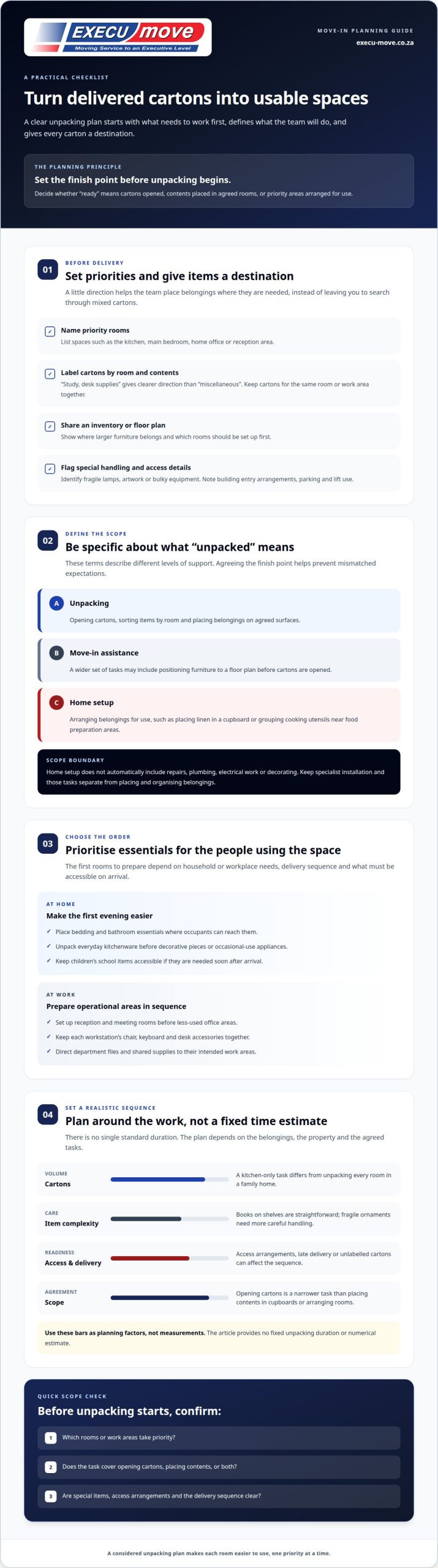
Professional unpacking has no single standard duration. A kitchen-only task differs from unpacking every room in a family home. Timing depends on carton volume, item complexity, access and the agreed scope. Placing books on shelves is straightforward; sorting fragile ornaments calls for more careful handling.
For an office, the sequence also affects the schedule. Opening labelled workstation cartons differs from arranging files across departments. A move-in plan that prioritises reception and essential desks gives the team a clear order. Unlabelled cartons or late delivery can slow progress because each item needs to be identified.
Start planning by defining the finish point. Does the task end when cartons are opened, or when their contents are placed in cupboards? A family might prioritise kitchenware and bedding, while a home office needs desk accessories together. Clear priorities help shape the work plan and establish a realistic sequence.
- List priority rooms: name spaces such as the kitchen, main bedroom or reception.
- Describe the scope: distinguish opening cartons from organising cupboards or shelves.
- Identify special items: flag fragile lamps, artwork or bulky equipment.
- Plan access: note building entry arrangements, parking and lift use.
Next, group cartons by room and label them clearly before delivery. “Study, desk supplies” gives a more useful direction than “miscellaneous”. Keep items for the same area together and separate essentials from belongings that can wait. This reduces sorting during unpacking.
Share the inventory and priorities with the relocation team before the move. A floor plan can show where a dining table or filing cabinet belongs. For an office, mark which work areas need attention first. These details help the team allocate effort according to the agreed scope.
Finally, make sure the schedule accounts for delivery conditions and property access. A compact flat with labelled cartons is a different task from a large home with mixed boxes. A phased plan can prioritise essential rooms first, then move on to less-used spaces as time and access allow.
How Execu-Move can support your move
Execu-Move can coordinate removal and preparation around your move-in priorities. For a household, that could mean planning how kitchenware, bedding and fragile items are packed. For an office, it could mean keeping work equipment and departmental cartons clearly organised for delivery.
For moves within South Africa, Domestic Furniture Removals supports the transport of household belongings between homes. For international moves, International Furniture Removals can form part of a broader relocation plan. In either case, sharing your intended room layout and essential items helps align packing decisions with how you plan to use the destination.
Full Packing and Wrapping helps prepare belongings for transport. For example, grouping kitchen items together rather than mixing them with bedroom contents makes cartons easier to organise. Clear labels can then guide where each carton belongs at the new address. For an office move, separating reception materials from workstation supplies can make delivery easier to organise.
Moving dates and property readiness don’t always align. Secure Storage Solutions can hold belongings between stages. This may suit a household waiting for access to a new home, or a business preparing its premises before furniture arrives. Consider storage as part of the transport plan, rather than as a separate task.
Before the move, outline the spaces that matter most and the belongings needed first. A family might prioritise bedroom and kitchen cartons; an office may need reception furniture and essential files. Share these priorities as part of the move plan so packing, transport and any storage arrangements can be considered together.
Professional unpacking involves clear decisions about scope, timing and room priorities. Execu-Move’s removal, packing and storage services can support the wider move to your new home or workplace. Discuss the route, property details, packing needs and any storage requirements together when requesting a quote.
If you’re planning a household or office move, contact Execu-Move to discuss the relocation support you need.
Frequently Asked Questions
What do unpacking services in South Africa include?
Unpacking can include opening and organising delivered belongings, with the exact tasks shaped by the agreed arrangement. Before the team arrives, set aside passports, medication, jewellery and work documents so they stay accessible and secure. Decide where these essentials will remain during move-in. This helps distinguish personal items you’ll handle yourself from belongings intended for the unpacking team.
Do South African moving companies offer unpacking as a standalone service?
A standalone arrangement means booking unpacking without also booking the transport. Whether that option is available depends on the service being arranged. Execu-Move provides unpacking and placing of furniture, which may be useful when belongings have already arrived. When planning, have the delivery date, destination details and priority rooms ready. These details help define how unpacking fits into the move.
If you’re planning a move, contact Execu-Move to discuss the relocation support you need.
How do I compare quotes for unpacking services in South Africa?
When comparing quotes, check whether they cover opening cartons, placing contents, or both, and whether clearing packing materials is included. Compare the planned scope with carton volume, item complexity, property access and your priority rooms.